Unraveling the Power of Layer 2 Switches: A Deep Dive
Intoduction
In the fast-paced digital world we live in today, having seamless and efficient network communication is no longer just a luxury, but is now a necessity. As businesses continue to grow and data traffic increases, there is a greater need for strong network solutions. That's where the Layer 2 switch comes into play. This incredible technology is revolutionizing the way data flows within networks, connecting devices to enhance overall efficiency. In this article, we'll be taking a comprehensive journey through the realm of Layer 2 switches, uncovering how they work, the benefits they provide, and real-world applications.
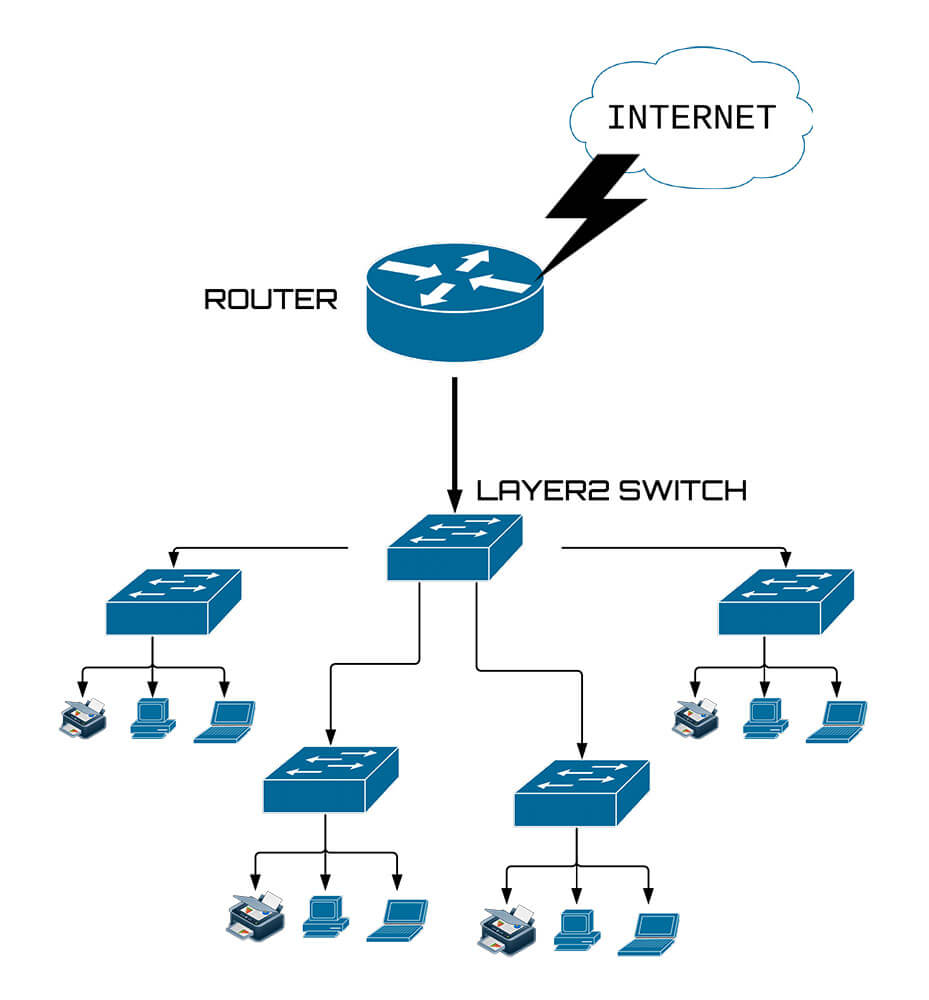
Understanding the Layers: A Quick Primer
Before we delve into the details of Layer 2 switches, it's important to have an understanding of networking layers. Data transmission is a multi-level process where each layer has specific functions to ensure effective communication. The physical layer (Layer 1) is responsible for the transmission of raw bits over a physical medium. The data link layer (Layer 2) focuses on establishing a dependable connection between two directly connected nodes. This is where Layer 2 switches are essential.
The Role of Layer 2 Switches: Building Bridges in the Digital Landscape
Layer 2 switches are smart tools that work at the data link level. They mainly help in establishing communication between devices in the same local network. Unlike Layer 3 switches that operate at the network level and determine routing, Layer 2 switches are exceptional at making forwarding decisions based on the MAC addresses. They act as a bridge connecting different devices, enabling them to share information without any interruption.
Key Features and Benefits:
- Efficient Data Forwarding: Layer 2 switches utilize MAC addresses for data forwarding, which helps to minimize network congestion and enhance overall efficiency.
- Broadcast Domain Segmentation: When a network is divided into smaller segments using Layer 2 switches, it helps in preventing excessive broadcast traffic from taking over the entire network.
- Enhanced Security: Layer 2 switches boost network security and reduce unauthorized access by confining traffic to specific segments.
Real-World Applications: Where Layer 2 Switches Shine
Layer 2 switches boost network security and reduce unauthorized access by confining traffic to specific segments.
- Enterprise Networks: Layer 2 switches serve as the backbone of network infrastructure in corporate settings, connecting workstations, printers, servers, and other devices to ensure smooth communication and data sharing.
- VoIP Implementations: In setups for Voice over Internet Protocol (VoIP), Layer 2 switches are essential. They prioritize voice traffic, which results in lower latency and ensures excellent call quality.
- Video Conferencing Systems: During the time of remote work, Layer 2 switches help to ensure seamless video conferencing by keeping a steady connection and reducing the number of lost packets.
- Industrial Automation: In industrial environments, Layer 2 switches are essential for ensuring dependable communication between sensors, controllers, and other devices that are integral to automation processes.
Challenges and Future Innovations
Although Layer 2 switches have many advantages, they do have their limitations. One significant drawback is that they cannot operate across different subnets, which can hinder their performance in larger networks. Nonetheless, new solutions are being developed as the networking industry continues to evolve.
The promising future of networking includes Layer 2/Layer 3 hybrid switches that combine the best features of both layers, resulting in an even more adaptable and effective networking solution. These hybrids have the potential to bridge the gap between local and wide-area networks, offering a seamless experience regardless of distance.
Conclusion: Navigating the Network Seas with Layer 2 Switches
To sum up, Layer 2 switches are integral to modern networking, silently facilitating the seamless transmission of data in numerous settings. Whether it's busy corporate networks or complex industrial automation systems, these switches are crucial for maintaining connectivity. As technology progresses, we can expect exciting developments that will enhance the capabilities of Layer 2 switches and contribute to a more interconnected digital landscape.

Comments
Post a Comment